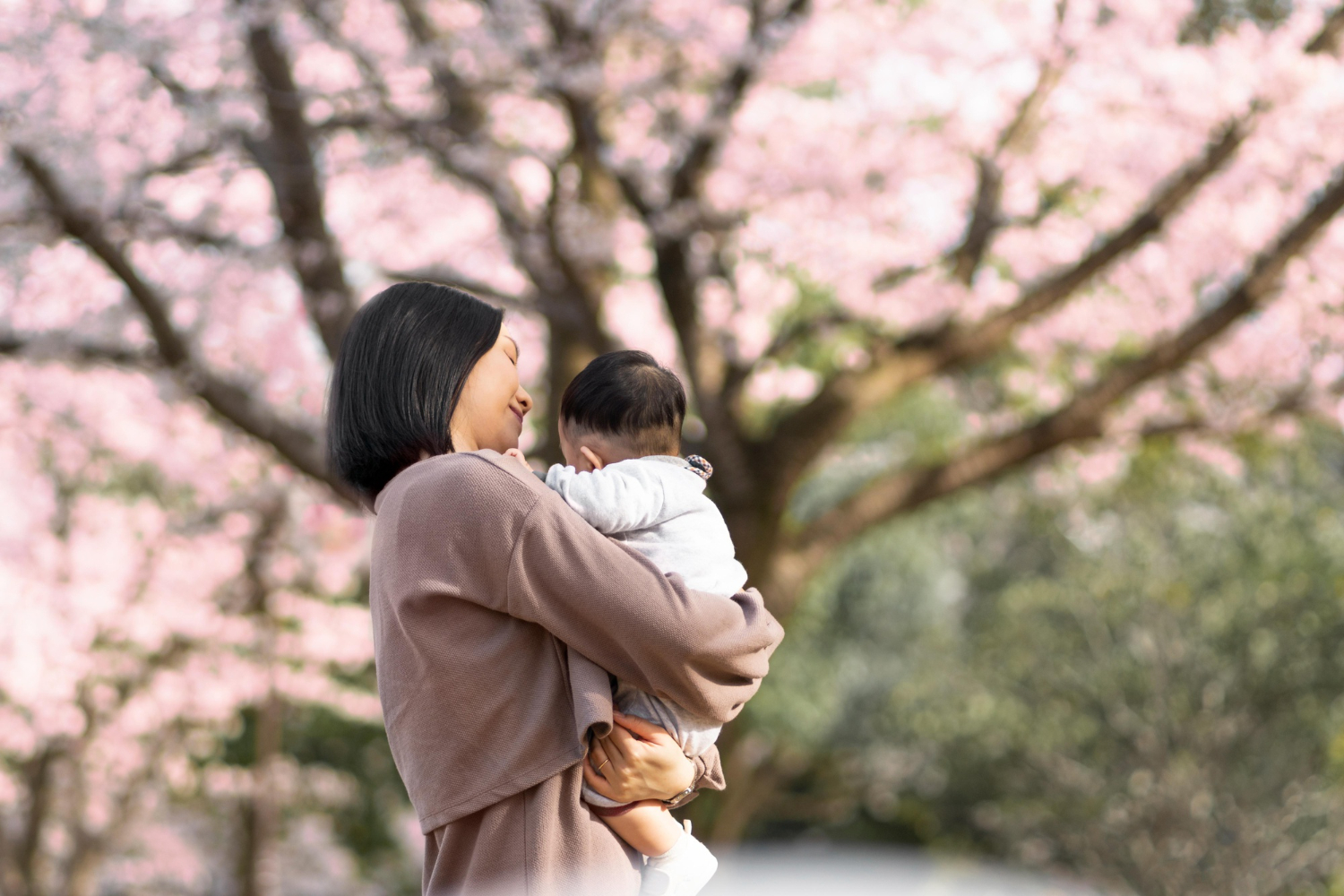
Divorce not only ends the relationship between husband and wife, but also gives rise to various legal and social consequences that the parties must deal with, especially women who subsequently become single mothers. As a single mother, a woman must be able to fulfill dual roles; therefore, legal protection is essential to ensure that single mothers continue to have legal certainty and protection of their rights following divorce.
In Indonesia, the rights and obligations of the parties resulting from divorce are regulated by several laws, including Law No. 1 of 1974 on Marriage (“Marriage Law”), the Compilation of Islamic Law (“KHI”), and other laws and regulations related to the protection of women and children. On this occasion, SIP Law Firm will provide information on the rights and obligations of single mothers following divorce, the challenges they face in advocating for their rights, and the state’s role in ensuring legal protection for single mothers.
Rights and Obligations of Single Mothers After Divorce
Marriage is a physical and spiritual bond between a man and a woman as husband and wife with the aim of forming a happy and lasting family (household) based on the One Almighty God as stipulated in Article 1 of Law Number 1 of 1974 concerning Marriage (“Marriage Law”).
However, in family life, not all relationships can be maintained until the end of life because they are no longer considered compatible. Differences in perspective, disputes, and even violence increasingly become triggers for the word “separation,” leading the husband and wife to agree to divorce.
Article 38 of the Marriage Law confirms that one of the causes of the dissolution of a marriage is divorce. If the marriage produces children, both the husband (father) and the wife (mother) retain their obligations toward the children. These obligations include:
- A mother and father are obligated to care for and raise their children
- The father is obligated to cover all costs of the child’s care and education; however, if he is unable to fulfill this obligation, the mother shares in bearing these costs
- The former husband is obligated to provide spousal support to the wife, whether in the form of living expenses, specific support payments, or other obligations as determined by the court
Based on the points above, it is clear that a mother is entitled to legal protection in the form of receiving alimony following a divorce. The provisions regarding the receipt of alimony are not only regulated in the Marriage Law but have also been reaffirmed in the Compilation of Islamic Law (“KHI”), specifically in Article 149, which states that:
“If a marriage is dissolved by divorce, the former husband is obligated to:
- provide his former wife with a reasonable mut’ah, whether in the form of money or goods, unless the former wife was divorced before consummation;
- provide maintenance, food, and clothing to his former wife during the iddah period, unless she has been granted a bal’in or nusyur divorce and is not pregnant;
- pay off the entire outstanding dowry, and half of it if the marriage was qobla al-dukhul;
- provide child support for their children who have not yet reached the age of 21.”
In addition to the rights of the former wife as set forth in Article 149 of the KHI above, legal protection for single mothers also includes protection from domestic violence as regulated in No. 23 of 2004 on the Elimination of Domestic Violence (“Law on the Elimination of Domestic Violence”), which guarantees protection for victims of violence, including women who experience violence within domestic relationships. In some cases, divorce actually occurs due to physical, psychological, or sexual violence, as well as domestic neglect. Therefore, post-divorce legal protection is crucial to ensure that single mothers do not once again become victims of intimidation or violence from their former husbands.
Read to : Bagaimana Cara Mengajukan Cerai Gugat secara Online?
The Challenges for Single Mothers in Fighting for Their Rights and Legal Protection
Even though Indonesian law provides legal protection for single mothers following divorce, in real life, single mothers still have to deal with challenges in various aspects of life that are all connected, whether social, economic, or psychological.
From a social perspective, single mothers often face stigma, discrimination, and negative perceptions from society due to their status as single parents. These conditions frequently make single mothers the subject of gossip and social judgment, which can affect their self-confidence, sense of well-being, and social standing within their community. It is not uncommon for single mothers to be viewed as having failed to maintain a household, which creates significant social pressure in their daily lives.
From an economic perspective, single mothers generally bear a double burden as they must fulfill the roles of both breadwinner and caregiver. This situation becomes even more difficult, especially if the ex-husband fails to meet his financial obligations following the divorce. As a result, many single mothers must work harder to independently meet their children’s needs for basic living expenses, education, healthcare, and well-being.
From a psychological perspective, divorce often leads to emotional distress, trauma, stress, a sense of loss, and mental instability, all of which can affect a single mother’s ability to navigate her daily life. This psychological burden can also impact child-rearing practices and a single mother’s confidence in asserting her legal rights.
Therefore, legal protection for single mothers is essential to ensure that their rights as women and parents remain safeguarded, including the right to spousal support, the right to child custody, protection from discrimination, as well as access to justice, social welfare, and a decent life following divorce.
The Government’s Role in Ensuring Protection for Single Mothers
The government has a constitutional obligation to protect the rights of women and children, including single mothers following divorce. This protection can be realized through the establishment of regulations, law enforcement, and the provision of social services that support the well-being of women and children.
Basically, the state has established various legal instruments that regulate the rights and obligations of each party (husband and wife) following divorce through the Marriage Law, the Compilation of Islamic Law (KHI), and the Law on Domestic Violence (PKDRT). The existence of these regulations demonstrates the state’s role in ensuring protection for single mothers, particularly following a divorce.
When a marriage can no longer be sustained and the husband and wife decide to divorce, the state provides access to legal resolution of family disputes, either through the Religious Court (for Muslim couples) or the District Court (for non-Muslim couples). These courts have the authority to adjudicate cases involving divorce, child custody, alimony, and the division of joint property. Through court rulings, single mothers gain a legal basis they can use to advocate for their rights.
In addition to legal protections, the state also plays a role in providing social and economic support for single mothers. The government can implement social assistance programs, initiatives for women’s economic empowerment, skills training, and access to health care and education for children. These efforts are crucial to ensuring that single mothers can continue to fulfill their parenting responsibilities effectively, even when facing financial constraints following a divorce.
State protection must also be realized through legal education for the public. Understanding of women’s rights following divorce remains relatively low, so many single mothers are unaware of their full rights. Therefore, legal outreach is a crucial step to ensure the public understands that women have equal rights to protection and justice after divorce.
Furthermore, from a human rights perspective, protection for single mothers is not merely a family matter but also concerns respect for women’s dignity and the best interests of the child. In this regard, the state must ensure that all policies and law enforcement provide a sense of security, justice, and legal certainty for single mothers, as well as for the children in their care.
Legal protection for single mothers following divorce is a crucial component in ensuring that the rights of women and children are upheld within the Indonesian legal system. Through the Marriage Law, the Compilation of Islamic Law (KHI), and the Law on Domestic Violence, the state has established a legal framework regarding child custody, alimony, the division of joint property, and protection from violence. However, in practice, single mothers still encounter various challenges, ranging from social and economic issues to psychological ones. Therefore, the state must play an active role through law enforcement, social protection, and legal education so that single mothers can receive tangible and sustainable protection, enabling them to fulfill their roles more safely, with dignity, and in prosperity for the best interests of their children.***
Daftar Hukum:
- Undang-Undang Nomor 1 Tahun 1974 tentang Perkawinan (“UU Perkawinan”).
- Kompilasi Hukum Islam (“KHI”).
- Undang-Undang Nomor 23 Tahun 2004 tentang Penghapusan Kekerasan dalam Rumah Tangga (“UU PKDRT”).
Referensi:
- Audit SETI, ESDM Ungkap Potensi Penghematan Energi Industri. Antara News. (Diakses pada 12 Mei 2026 Pukul 10.34 WIB).
- Malasari, H.D. (2023). Permasalahan dalam Pemenuhan Hak-Hak Anak Sesuai dengan Persfektis UU terhadap Seorang Ibu Single Parent.Jaksa: Jurnal Kajian Ilmu Hukum dan Politik, Vol.1, No.4, Hal. 107-108. (Diakses pada 15 Mei 2026 Pukul 15.45 WIB).
- Menjawab Tantangan Motherhood Tunggal: Dukungan Sosial dan Strategi Pengasuhan. Pemerintah Kabupaten Bantul. (Diakses pada 15 Mei 2026 Pukul 16.12 WIB).